Wildlife
The Caracal (Felis caracal)
2 min readBy Devora Levy
Key Takeaways
- * Caracals are elusive, nocturnal cats, vital for African ecosystem health.
- * They face threats from habitat loss and poaching, causing population decline.
- * Kosher Safaris support conservation through responsible tourism practices.
- * Read on to discover how expert guides enhance your caracal spotting chances.
What makes the caracal so special, and why is it so elusive?
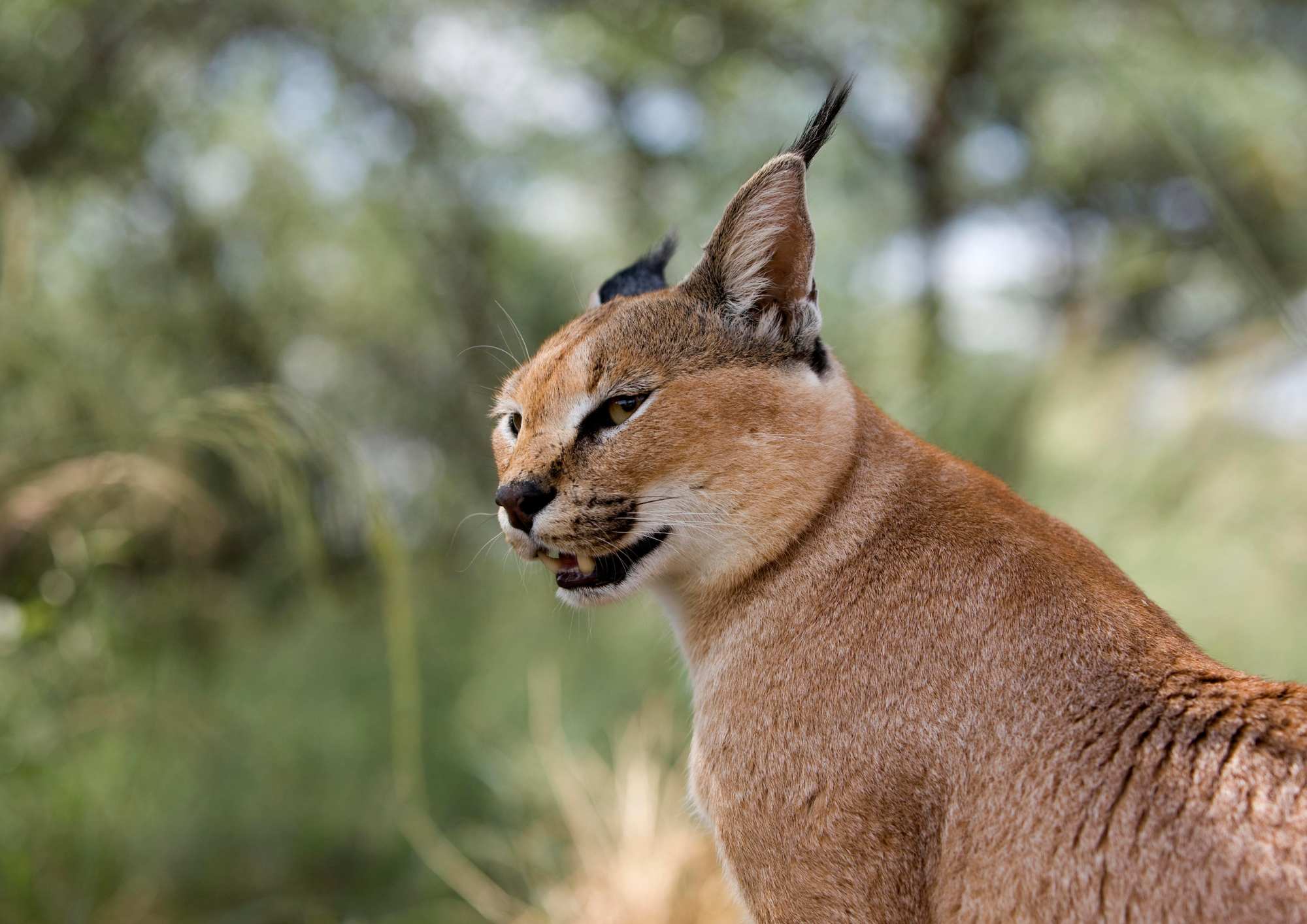
The caracal (Felis caracal) is a truly remarkable medium-sized wild cat, native to Africa, the Middle East, Central Asia, and India, known for its distinctive long legs, powerful build, and reddish-brown to grayish-black fur. What’s fascinating, and what I’ve seen firsthand on our safaris, is that despite being one of the most common felines in these regions, very little is actually known about its behaviour in the wild. They are incredibly shy and solitary, making sightings a real highlight on any safari.
How does the caracal hunt, and what does it eat?
Caracals are skilled hunters with a varied diet, primarily consisting of insects, small animals, birds, and reptiles. They are incredibly agile and can leap up to 10 feet (3 meters) in the air to catch birds in flight, using their long legs as a major advantage. As great climbers, they can ascend cliffs and trees in search of prey. We often tell our Kosher Safari guests to keep an eye on the trees, you might just spot one!
Where do caracals live, and why are they so hard to spot?
These nocturnal cats prefer dense vegetation, making them difficult to find during the day. They are most active at night, adding to their elusiveness. They are also very territorial, and their loud, distinctive calls can be heard from quite a distance (up to 4 kilometers or 2.5 miles). If you are travelling on a kosher safari, it's worth noting that many game drives are conducted early in the morning or late in the afternoon – prime times to spot nocturnal creatures like the caracal. Remember to pack a good pair of binoculars! On our safaris, we work with experienced local guides who know the caracals' habits and habitats, significantly increasing your chances of a sighting.
Why is the caracal important to the African ecosystem?
The caracal plays a vital ecological role in its environment, primarily by helping to maintain a healthy ecosystem and managing rodent populations. As a predator, it helps keep the balance within the food chain. We often explain to our guests how each animal, including the caracal, contributes to the delicate balance of the African bush. It's a perfect example of how the natural world reflects the intricate design we see in the Torah.
What are the threats to caracal populations, and how can we help?
Sadly, the caracal faces threats from poaching and habitat destruction, leading to a significant population decline – estimated at over 30% in the last 25 years. The International Union for Conservation of Nature (IUCN) currently lists the caracal as Vulnerable on the Red List of Threatened Species. It’s crucial that we take action to protect its habitat and combat poaching. Supporting responsible tourism and conservation efforts is a great way to contribute. We, at The Kosher Safari, are committed to sustainable tourism practices that minimize our impact on the environment and support local communities.
The caracal is a truly remarkable creature, and witnessing one in its natural habitat is an unforgettable experience. If you're dreaming of an African adventure where you can connect with wildlife, enjoy the beauty of the bush, and experience the wonders of kosher travel, then we'd love to help you plan your perfect Kosher Safari. Get in touch with us today, and let's start planning your unforgettable journey!
D
Devora Levy
Co-Founder & Travel Writer, The Kosher Safari
Devora has been organising luxury kosher safaris across Africa since 2022. She writes from first-hand experience — every lodge, route, and meal plan in these guides is one she has personally arranged for guests.
Ready to go?
Plan your kosher safari
Tell us your dream trip and we'll create a bespoke proposal within 48 hours.
Get in touch