Safari Photography: A Complete Guide
Camera settings, lens choices, and techniques to capture Africa's wildlife like a professional.
Choosing Your Essential Safari Photography Gear
Embarking on a Kosher Safari with us means preparing for an incredible journey, and capturing those moments requires the right equipment. While our luxury, private vehicles offer stability and comfort, having the correct camera gear will elevate your images from snapshots to stunning works of art. We've seen countless guests return with breathtaking photos, and it often starts with their gear choices.
Camera Bodies: Mirrorless Reigns Supreme
For the serious safari photographer, the choice between a DSLR and a mirrorless camera is becoming clearer. We highly recommend a mirrorless system. Their lighter weight is a significant advantage when you're carrying gear through airports and lodges, and their advanced autofocus systems are simply phenomenal for tracking fast-moving wildlife. Our current favorites, offering incredible resolution, speed, and low-light performance, include the Sony a7RV, Canon R5 Mark II, and Nikon Z8. These cameras offer robust build quality to withstand the African dust and heat, crucial for a multi-day safari experience.
The Right Lenses for Every Shot
Lenses are arguably more important than the camera body itself. Here’s our curated list for your safari:
- The Do-Everything Wildlife Lens: 100-400mm (or similar). This is the workhorse of safari photography. It provides excellent reach for most wildlife encounters without being overly cumbersome. It's versatile enough for a leopard in a tree or a distant elephant herd.
- Serious Wildlife & Birds: 200-600mm (or similar). If your primary goal is high-impact wildlife close-ups and bird photography, this lens is a game-changer. The extra reach is invaluable for skittish species or smaller birds. Be prepared for its size and weight, but the results are worth it.
- Landscapes & Lodge Shots: 24-70mm (or similar). Don't forget the stunning African landscapes, vibrant sunsets, and the beautiful details of your glatt-kosher lodge. A versatile wide-to-mid zoom is perfect for these broader scenes, as well as capturing the camaraderie of your group.
- Versatile Mid-Range: 70-200mm (or similar). While not as long as the 100-400mm, this lens offers superb image quality and is excellent for larger animals at closer range, environmental portraits, or even capturing details of our mehadrin catering setup. It's often faster (wider aperture) than the longer zooms, which helps in lower light.
Memory Cards, Batteries, and Support
Preparation is key, especially when you're out in the bush.
- Memory Cards: Bring plenty! We recommend a minimum of 128GB per day of shooting. For high-resolution photos and particularly 4K video, ensure your cards are fast – look for V60 or V90 ratings to avoid buffering and missed shots.
- Batteries: Africa's cold mornings can drain batteries faster than you expect. Always pack at least three fully charged batteries for your main camera body. Our lodges provide reliable power, so you can charge them overnight, ensuring you're ready for the early morning game drive after your davening.
- Beanbag or Window Mount: This is a non-negotiable item. Shooting handheld from a moving vehicle, even a steady one, will lead to blurry images at slower shutter speeds. A beanbag draped over the vehicle's side or a window mount provides crucial stability, allowing you to use slower shutter speeds and achieve sharper results, far superior to hand-holding.
Mastering Camera Settings for Safari Scenarios
Understanding your camera's settings and how to adapt them quickly to changing situations is paramount. Our expert guides will position the vehicle strategically, giving you the best angles, but it's up to you to dial in the right settings.
Capturing Dynamic Wildlife Action
- Birds in Flight: This is one of the most challenging and rewarding shots. You'll need a fast shutter speed, typically 1/2000th of a second or faster, to freeze wing motion. Set your camera to continuous autofocus (AI Servo on Canon, C-AF on Nikon/Sony) and use a tracking mode that keeps the bird in focus as it moves. Engage burst mode (high-speed continuous shooting) to capture a sequence, increasing your chances of getting that perfect moment.
- Migration Crossing (e.g., Mara River): For the iconic wildebeest or zebra crossings, speed is everything. Use a shutter speed of 1/2000th of a second or faster to freeze the chaotic action and splashing water. Employ burst mode to capture the energy. A crucial tip: pre-focus on the far bank where the animals are expected to emerge, or on a section of the river they are crossing, then track them as they enter your frame.
Composing for Stationary Subjects
- Lion at Rest: When a majestic lion is simply observing its territory, you have more time to compose. We recommend aperture priority mode. Set your aperture to around f/5.6 to create a beautiful bokeh (blurred background), isolating the lion from its surroundings. A shutter speed of 1/500th of a second will be plenty to ensure sharpness, even if it shifts slightly. Use single-point autofocus for precise focusing on the eye.
- Elephant Herd: To convey the grandeur and scale of an elephant herd, you often want more depth of field. Use an aperture of around f/8 to keep more of the herd in focus. A shutter speed of 1/500th of a second is usually sufficient. If you're close enough, consider using a wider-angle lens (like your 24-70mm) for an impactful environmental shot.
- Leopard in a Tree: Leopards are masters of camouflage, and often found resting high in trees. The challenge here is exposure. If you meter for the bright sky, your leopard will be underexposed. Instead, meter for the spots on the leopard's body. You'll often need to apply +1 or even +1.5 stops of exposure compensation to correctly expose the darker animal against a brighter background.
Compositional Techniques for Impactful Images
Beyond technical settings, how you compose your shot tells the story. Our private guides are adept at positioning the vehicle to give you the best angles, which is a significant advantage of a Kosher Safari tailored to your preferences.
- Shoot at Eye Level: This is perhaps the most fundamental rule for compelling wildlife photography. When you're at the same level as the animal, it creates a more intimate and engaging portrait. Don't hesitate to ask your guide to lower or reposition the vehicle slightly if possible.
- Leave Negative Space: When an animal is looking or moving in a particular direction, leave empty space (negative space) in that direction within your frame. This gives the animal "room to move" and creates a sense of anticipation or journey.
- Wait for Peak Action: Patience is a virtue on safari. Don't just snap a picture of a sleeping lion. Wait for that yawn, a stretch, a head turn, or an interaction with another animal. These moments transform a static image into a dynamic one.
- Environmental Portraits: While tight headshots are powerful, also aim to show the animal within its habitat. An elephant against the backdrop of the savanna, or a giraffe browsing among acacia trees, tells a richer story about its life and surroundings.
- Leading Lines: Utilize natural elements like rivers, paths, or even the edge of the savanna to draw the viewer's eye towards your subject. This technique adds depth and guides the observer through your photograph.
- Rule of Thirds for Landscapes: For those sweeping African vistas, apply the rule of thirds. Imagine your frame divided into nine equal sections by two horizontal and two vertical lines. Place key elements (horizon, a distant tree, a cloud formation) along these lines or at their intersections for a more balanced and pleasing composition.
The Magic of Light: Golden Hour and Beyond
Light is a photographer's best friend, and Africa's light is truly special.
- Golden Hour: The first and last 30-60 minutes of sunlight are known as the "golden hour" for a reason. The warm, soft, directional light during these times produces the most beautiful safari photos, casting long shadows and creating a magical glow. We meticulously plan our game drives around these crucial times, ensuring you're in the best position to capture stunning images before you return to the lodge for your glatt-kosher breakfast or dinner.
- Silhouettes at Sunset: As the sun dips below the horizon, position your subject (a lone acacia tree, a giraffe, or an elephant) against the vibrant colors of the sky for dramatic silhouettes. Expose for the sky, letting your subject fall into darkness.
- Star Trails and Astrophotography: Far from city lights, the African night sky is a spectacle. With a sturdy tripod, a wide-angle lens, and exposures of around 20-30 seconds (or multiple shorter exposures for star trails), you can capture incredible images of the Milky Way or the celestial dance above your lodge. This is a perfect activity during the evenings, providing a tranquil contrast to the daytime safari adventures.
- Camp Life and Details: Don't forget to capture the essence of your Kosher Safari experience beyond the wildlife. Photograph the beautiful details of your luxury lodge, the elaborate mehadrin meals prepared by our mashgiach, the friendly faces of the staff, or the simple joy of your group gathered for Shabbat preparations. These images add depth and personal connection to your safari story.
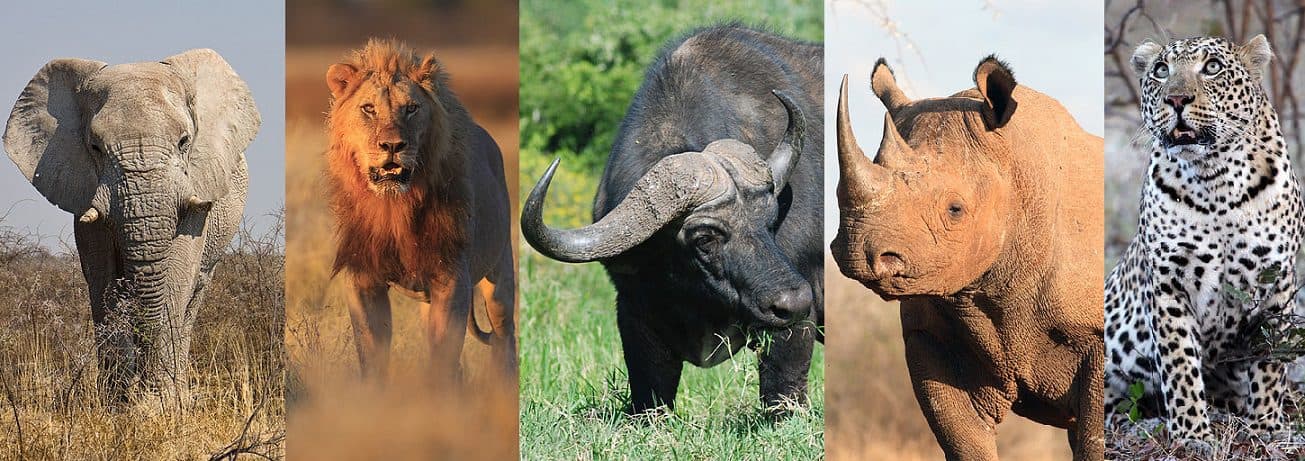
Strategies for Photographing the Big Five
Each of Africa's "Big Five" presents its own unique photographic opportunities and challenges. Our guides are experts at anticipating their behavior.
- Lion: Often seen resting, providing ample time for portraits. Look for interactions within the pride – a cub playing, a lioness grooming, or a male roaring.
- Leopard: Elusive and often found in trees. Be ready to shoot quickly when one is spotted. Focus on their piercing eyes and incredible camouflage.
- Elephant: Majestic and expressive. Capture their sheer size, the texture of their skin, their interaction with calves, or a dust-bathing ritual.
- Rhino: Powerful and endangered. Often found grazing. Focus on their impressive horn and the ruggedness of their hide. Be respectful of their space.
- Buffalo: Often in large herds. Look for the "dagga boys" (old solitary males) for characterful portraits. Capture the scale of the herd moving across the plains.
Leveraging Your Smartphone for Quick Captures
Even with professional gear, your smartphone can be a surprisingly capable tool, especially for quick, candid shots or when your main camera is packed away. Modern smartphones like the iPhone 15 Pro or Google Pixel 8 Pro boast impressive cameras.
- Use Telephoto Lens Mode: Many high-end smartphones now include a dedicated telephoto lens. While not comparable to a 600mm DSLR lens, it offers more reach than the standard wide lens.
- Burst Mode for Action: Just like with your main camera, use burst mode (often by holding down the shutter button) to capture a sequence of action, increasing your chances of getting a sharp shot.
- HDR for Landscapes: High Dynamic Range (HDR) mode is excellent for balancing bright skies with darker foregrounds in landscape shots, preventing blown-out highlights or crushed shadows.
- Video Capabilities: Smartphones excel at video. Use them to capture short clips of animal behavior or the atmosphere of your camp.
Editing and Storage in the Bush
Your photographic journey doesn't end when you press the shutter. Post-processing and secure storage are vital steps.
- Editing at Camp: We recommend bringing a laptop with photo editing software like Adobe Lightroom. Utilize the mid-day rest periods (often when the light is harsh for photography) to begin culling your images. This process of selecting your best shots, deleting the blurry or redundant ones, saves immense time later.
- Backup to Portable SSD: Immediately after culling, back up your selected images to a portable SSD (Solid State Drive). These are fast, durable, and compact. Having a second copy of your precious memories is peace of mind, especially when you're far from home.
- Storage Strategy: Always shoot in RAW format. RAW files contain much more image data than JPEGs, giving you maximum flexibility for editing and recovering details in shadows or highlights. While you should shoot RAW, it's often useful to have your camera set to also capture a JPEG version. These JPEGs can be quickly culled and shared with family and friends back home via Wi-Fi at the lodge, even before you've had a chance to fully process your RAW files.
Related Reading