Big Five Safari
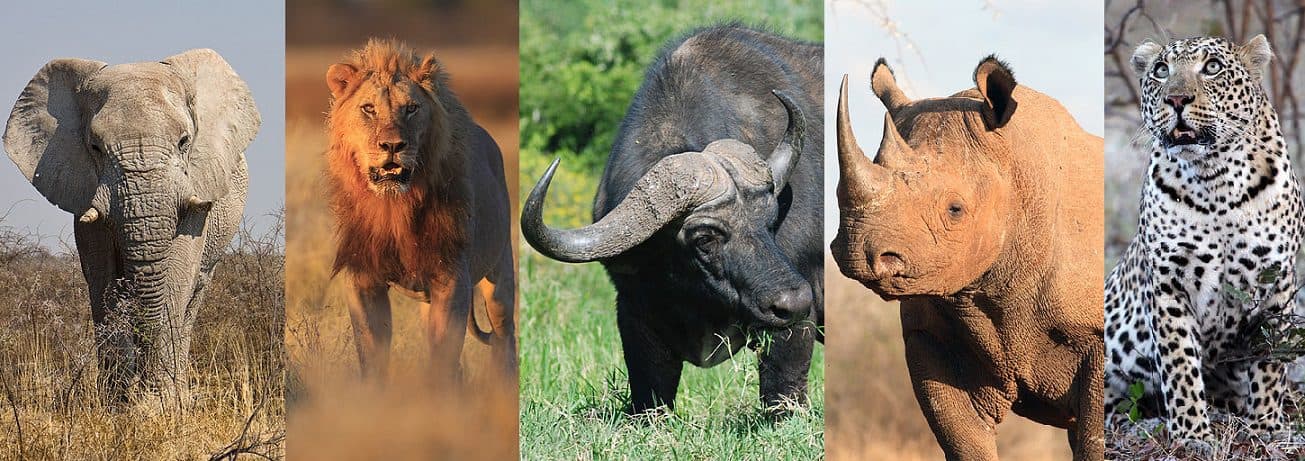
Lion, leopard, elephant, rhino, buffalo — where and how to see all five on a kosher safari.
Understanding the Big Five: More Than Just a Checklist
The term "Big Five" originated not from safari viewing, but from big-game hunters who considered these animals the most dangerous and challenging to hunt on foot: the lion, leopard, elephant, rhino, and Cape buffalo. Today, for our guests on a glatt-kosher safari, seeing all five is the ultimate wildlife photography and observation achievement. We meticulously plan itineraries to maximize your chances of encountering these magnificent creatures.
Where to Find Each of the Big Five
- Lion: Known as the king of the jungle, lions are highly social and often seen in prides. The vast plains of the Serengeti in Tanzania and Kenya’s Masai Mara offer incredible opportunities to witness large prides, often hunting. For more intimate encounters and superb photography, South Africa’s Sabi Sands Game Reserve is exceptional.
- Leopard: The most elusive of the Big Five, leopards are solitary, nocturnal, and masters of camouflage. They often hoist their kills into trees to keep them safe from other predators. Without a doubt, Sabi Sands is widely considered the best place in the world to spot these magnificent cats. South Luangwa National Park in Zambia also offers excellent leopard viewing, particularly during night drives.
- Elephant: The largest land mammal, elephants are intelligent and deeply social, living in complex family units. For sheer numbers, Chobe National Park in Botswana boasts some of the largest elephant herds on the planet. For iconic photography with Mount Kilimanjaro as a backdrop, Kenya’s Amboseli National Park is unparalleled.
- Rhino: Critically endangered, spotting a rhino is a true privilege. There are two species: the smaller, hooked-lipped black rhino and the larger, square-lipped white rhino. Tanzania’s Ngorongoro Crater offers one of the best chances to see the rare black rhino. For white rhinos, South Africa’s Kruger National Park and its private reserves are your best bet. We work with reserves committed to their protection.
- Cape Buffalo: Often seen in large herds, the Cape buffalo is known for its formidable bossed horns and unpredictable nature. While common across most major reserves, their sheer power and presence make them a thrilling sight. You'll likely encounter them in places like the Serengeti, Masai Mara, and Kruger.
Crafting Your Big Five Itinerary with The Kosher Safari
While seeing all five is often a goal, we manage expectations realistically. Achieving the Big Five in one trip usually requires at least 4-5 days on safari, focusing on reserves known for their high concentrations of these animals. Destinations like Sabi Sands and Ngorongoro Crater are frequently recommended as prime locations for a high chance of success. Our private itineraries are meticulously designed, taking into account your preferences and ensuring that every detail, from mehadrin catering and mashgiach supervision to full halachic support for Shabbat and Yom Tov, is seamlessly integrated into your safari experience.
Photography Tips for the Big Five
- Lions: Focus on their interactions, expressions, and group dynamics. A fast shutter speed is key for capturing action.
- Leopards: Patience is paramount. Look for them in trees or camouflaged in tall grass. A good telephoto lens and steady hand are essential.
- Elephants: Capture their scale and the intricate details of their skin and tusks. Wide-angle shots can convey the size of herds.
- Rhinos: Given their rarity, cherish every moment. Frame them against the landscape to emphasize their environment.
- Buffalo: Emphasize their impressive horns and the sheer power of a herd.
Conservation and the 'Super Seven'
The conservation status of the Big Five varies, with the rhino being the most critically endangered. We actively support lodges and reserves that contribute to anti-poaching efforts and conservation initiatives. For those seeking an even broader wildlife experience, some safaris aim for the "Super Seven," which adds the cheetah and the African wild dog to the Big Five. These incredible predators offer their own thrilling viewing opportunities, and we can tailor itineraries to include them.