Conservation and Ethical Safari Travel
How safari tourism protects wildlife — and how to ensure your trip makes a positive impact.
How Safari Tourism Fuels Conservation
At The Kosher Safari, we believe that travel can be a powerful force for good, especially when it comes to safeguarding Africa's breathtaking wildlife and pristine ecosystems. Far from being a mere spectator sport, responsible safari tourism is a vital engine for conservation, providing tangible, measurable benefits that protect endangered species and empower local communities.
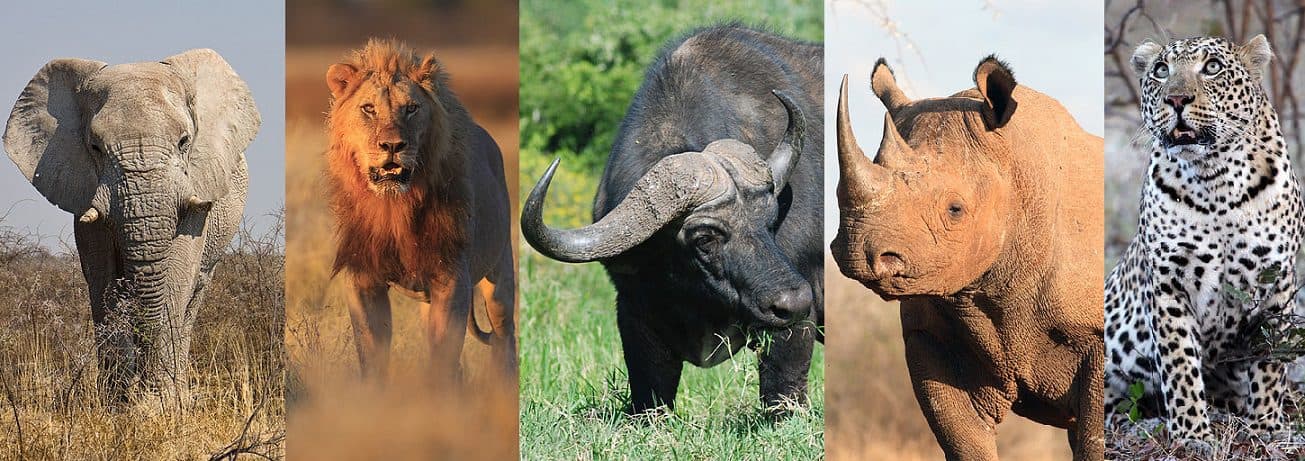
One of the most direct ways safari tourism contributes is through **park fees and conservation levies**. When our guests visit iconic national parks like the Serengeti in Tanzania, Kruger National Park in South Africa, or Maasai Mara National Reserve in Kenya, a significant portion of their entrance fees directly funds anti-poaching patrols. These dedicated rangers are on the front lines, risking their lives to protect rhinos, elephants, and other vulnerable species from illegal hunting. These fees also support habitat management, scientific research, and infrastructure maintenance within the protected areas, ensuring the wild spaces remain healthy and viable for generations to come.
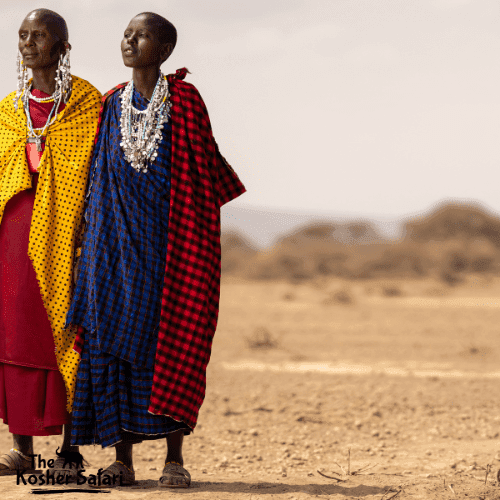
Beyond national parks, many luxury lodges and camps, including those we partner with for our glatt-kosher safaris, operate within **private conservancies**. These conservancies are often community-owned or managed areas that lease land from local communities. Lodge levies and bed nights directly pay land leases to these communities, providing a consistent, substantial income stream. This economic incentive is critical: it gives local populations a direct financial stake in the preservation of wildlife, making conservation more valuable than alternative land uses like agriculture or livestock grazing. When communities see tangible benefits from wildlife, they become active custodians, reducing poaching and fostering a culture of protection. Examples include the successful Maasai conservancies bordering the Maasai Mara, or the innovative Northern Rangelands Trust in Kenya, which supports over 40 community conservancies across a vast landscape.
Success Stories: Wildlife Thriving Thanks to Ethical Tourism
The positive impact of ethical safari tourism is not just theoretical; it's visible in the remarkable recovery of several species that were once on the brink. These successes demonstrate that when tourism is managed responsibly, it can literally save species.
- Mountain Gorillas: Perhaps the most compelling success story. In the early 1980s, fewer than 300 mountain gorillas remained in the wild. Thanks to intensive conservation efforts, primarily funded by high-value, low-impact gorilla trekking tourism in Uganda's Bwindi Impenetrable Forest and Rwanda's Volcanoes National Park, their numbers have now surpassed 1,000. Each trekking permit our guests purchase directly funds anti-poaching patrols, veterinary care, and community development programs, proving that tourism can be the lifeline for a species.
- Black Rhinos: Critically endangered due to poaching for their horns, black rhino populations have seen cautious but significant increases in carefully managed sanctuaries. Tanzania's Ngorongoro Crater, for example, is a stronghold for black rhinos, benefiting from robust protection funded by tourism. Similarly, conservancies like Ol Pejeta in Kenya have become vital havens, where security is paramount and breeding programs are helping to slowly rebuild their numbers.
- African Wild Dogs: One of Africa's most endangered carnivores, these highly social and intelligent animals face threats from habitat loss and human-wildlife conflict. Tourism-funded initiatives, including breeding programs and reintroduction efforts in protected areas across Botswana, Zimbabwe, and South Africa, have been crucial. By raising awareness and providing funds for research and anti-snaring operations, safari tourism plays a key role in safeguarding these elusive predators.
The Ethical Safari Operator: What to Look For
Choosing the right safari operator is paramount to ensuring your trip contributes positively to conservation and local communities. At The Kosher Safari, we meticulously vet our partners to align with the highest ethical standards. Here’s what we, and you, should always look for:
- Local Employment & Empowerment: An ethical operator prioritizes employing local staff in all roles, from guides and trackers to lodge managers, chefs (who often work alongside our mashgichim), and housekeepers. This creates economic opportunities, builds local capacity, and ensures that the wealth generated by tourism remains within the communities.
- Community Projects & Support: Look for operators and lodges that actively support local community initiatives. This could include funding schools, providing access to clean water, establishing healthcare clinics, or supporting local enterprises and artisans. We ensure our community visits are respectful and beneficial, fostering genuine connection and fair trade.
- Responsible Game Viewing Practices: This is critical for animal welfare and safety. Operators should adhere to strict guidelines, including:
- Maintaining respectful distances from wildlife (e.g., 25 meters from predators, 50 meters from elephants).
- Never chasing animals or blocking their path.
- Limiting the number of vehicles at a sighting (typically 3-5) to minimize disturbance.
- Strictly adhering to designated roads and tracks in national parks and reserves, avoiding off-road driving unless in private conservancies where it's specifically permitted for tracking and managed responsibly.
- No night driving in national parks unless on designated routes or permitted for specific nocturnal activities.
- Sustainable Lodge Practices: Environmentally conscious lodges are fundamental. This includes:
- Utilizing **solar power** or other renewable energy sources.
- Implementing robust **water recycling and conservation programs**, such as greywater systems and rainwater harvesting.
- Minimizing waste through comprehensive **recycling programs**, composting organic waste, and crucially, eliminating **single-use plastics**.
- Sourcing food locally to support regional economies and reduce carbon footprint, while still adhering to our strict mehadrin kashrut standards under mashgiach supervision.
Practices to Avoid: When Tourism Harms Wildlife
While the vast majority of safari experiences are ethical, there are some activities marketed to tourists that are inherently exploitative and harmful to animals. We urge all travelers to avoid these at all costs:
- Elephant Riding: Despite appearing benign, the training process for elephants to accept riders often involves brutal methods known as "phajaan" or "crushing," which break the animal's spirit through severe abuse and deprivation. These elephants endure a lifetime of forced labor and often suffer from physical ailments due to carrying heavy loads.
- Lion Walking and Cub Petting: These activities typically involve animals bred in captivity, often for commercial purposes including canned hunting. Cubs are prematurely removed from their mothers, causing psychological distress. These animals are habituated to humans, making their release into the wild impossible, and they often face a bleak future in captivity or exploitation. Any direct interaction with large wild predators should be a red flag.
As a rule of thumb, if an activity allows you to directly touch, ride, or have close physical contact with a wild animal, it is almost certainly exploitative and should be avoided. True conservation respects the wildness of animals.
Our Jewish Values: Stewards of Creation
For us, the commitment to ethical travel and conservation is deeply rooted in our Jewish values. The Torah provides clear guidance on our responsibilities to the natural world and its inhabitants:
- Bal Tashchit (Do Not Destroy): This principle, derived from Deuteronomy 20:19, prohibits wasteful destruction of any kind, including natural resources, trees, and habitats. It calls upon us to be mindful of our impact and to preserve the world's bounty for future generations. For The Kosher Safari, this translates into supporting sustainable practices that protect ecosystems and prevent the irreversible loss of biodiversity.
- Tza'ar Ba'alei Chayim (Preventing Animal Suffering): Jewish law strictly prohibits causing pain or suffering to animals. This commandment guides our approach to responsible game viewing, ensuring animals are never distressed or exploited for human entertainment. We reject any activity that causes harm or undue stress to wildlife, aligning with the highest standards of animal welfare.
- Stewards of Creation: From the very beginning, in Genesis, humanity is tasked with "guarding and cultivating" the Garden of Eden. We understand this as a divine mandate to be responsible custodians of God's creation, protecting its beauty, diversity, and delicate balance. Our safaris are not just about witnessing the wonders of Africa; they are an opportunity to connect with this profound responsibility and actively participate in its fulfillment.
These halachic principles are not just abstract concepts; they are the bedrock of our operational philosophy, ensuring that every aspect of our glatt-kosher safaris respects both the land and its creatures.
Related Reading