The Great Migration: A Complete Planning Guide
Month-by-month migration tracking, best camps, and how to see it all kosher.
Understanding the Great Migration's Continuous Cycle
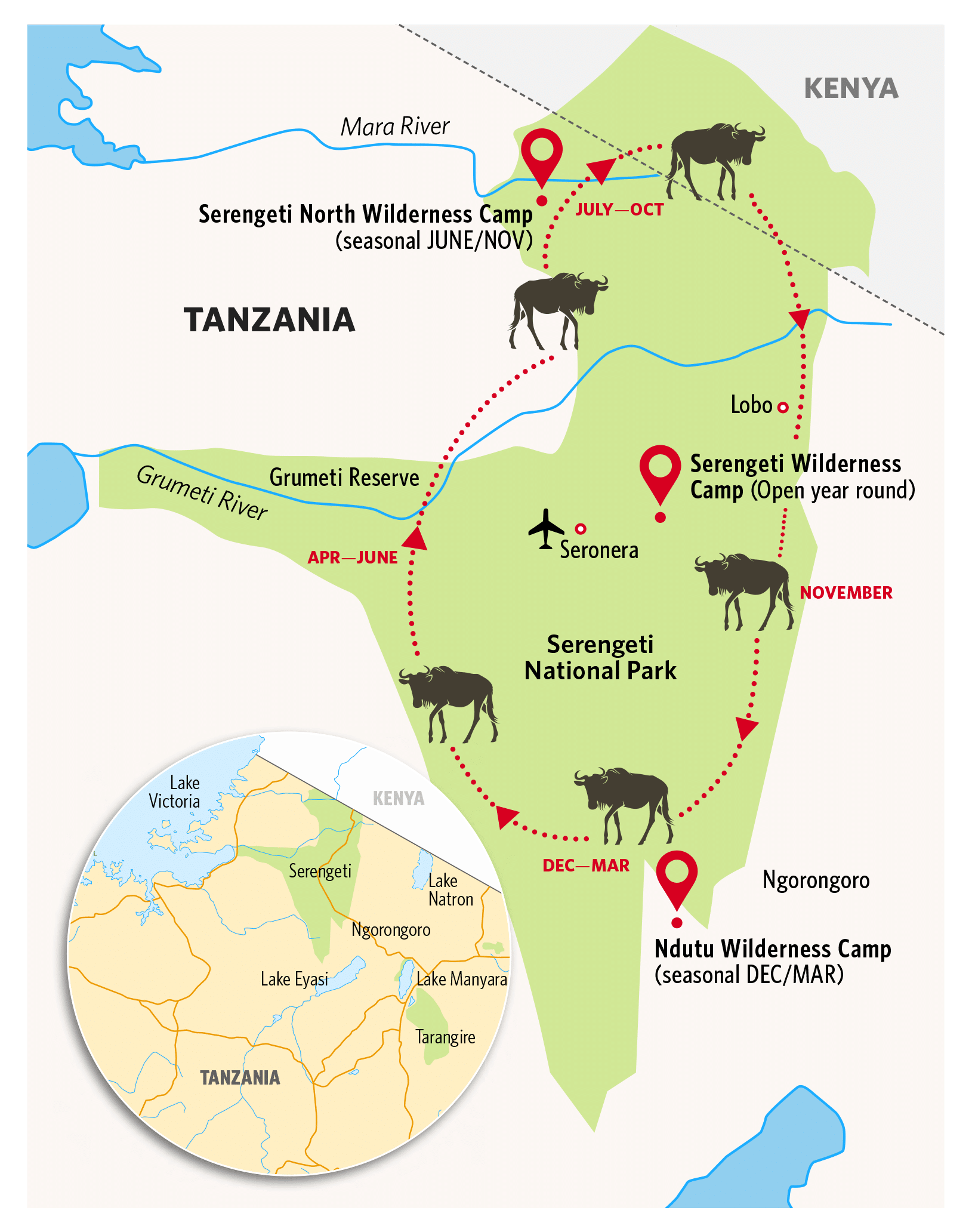
The serengeti">Great Migration is often spoken of as a singular event, but in reality, it's a continuous, year-round journey of over 1.5 million wildebeest, zebra, and gazelle through the Serengeti-Mara ecosystem. Driven by the search for fresh grazing and water, the herds follow a predictable, yet fluid, pattern that varies slightly with rainfall each year. This means that no matter when you choose to join us on safari, you can witness a part of this incredible spectacle. Our expertise lies in tracking these movements to place our guests in the heart of the action, ensuring a truly immersive glatt kosher safari experience.
January – March: Calving Season in the Southern Serengeti
As the short rains bless the southern plains of the Serengeti, the vast Ndutu region transforms into a nursery for hundreds of thousands of wildebeest calves. This period, typically from late January through early March, is a time of immense vulnerability and incredible new life. Our guests witness thousands of calves being born daily, a sight that draws a high concentration of predators – lions, cheetahs, and hyenas – creating some of the most dramatic wildlife viewing opportunities. The landscape is open and green, making it easier to spot action. We recommend staying in mobile camps in Ndutu or permanent lodges in the southern Serengeti, which allow us to be right among the herds. Costs during this period are generally mid-range, offering excellent value, though it is a popular time, so booking well in advance is crucial.
- Where to Stay: Mobile camps in Ndutu; lodges like Kusini, Ndutu Safari Lodge.
- What to Expect: Mass calving, intense predator-prey interactions, lush plains.
- Approximate Cost: Mid-range.
- Busyness: Busy, but the vastness of the plains allows for good viewing without overcrowding.
April – May: The Long Rains & Western Corridor Journey
With the arrival of the long rains, the southern plains begin to dry, signaling the herds to move north. April and May see them traversing the Western Corridor of the Serengeti, often encountering their first major obstacles like the Grumeti and Mbalageti Rivers. While these crossings are not as dramatic as the later Mara River events, they offer a glimpse into the challenges ahead. The landscape is incredibly lush and green during this period, and the rains, while present, often come in short, intense bursts rather than continuous downpours. This is considered shoulder season, meaning fewer tourists and often lower rates, making it an excellent choice for guests seeking a more secluded experience. Our guides are adept at finding the herds even in the changing conditions.
- Where to Stay: Lodges in the Western Corridor, such as Grumeti River Camp or Mbalageti Serengeti.
- What to Expect: Herds on the move, lush scenery, fewer tourists, potential for smaller river crossings.
- Approximate Cost: Lower season rates, offering good value.
- Busyness: Quieter, more intimate safari experience.
June – Early July: Grumeti River Crossings & Serengeti's Western Edge
By June and early July, the migration gains momentum, with the vast columns of wildebeest reaching the Grumeti River in the Western Serengeti. This river, known for its enormous Nile crocodiles, presents a significant challenge. Guests during this period can witness the first large-scale river crossings, often characterized by frantic leaps and the ever-present threat of predators. The spectacle is raw and powerful. Our mobile camps are strategically positioned to follow these movements, ensuring we are always near the action. While not as famous as the Mara River crossings, the Grumeti offers its own intense drama. Costs begin to climb as this period approaches the peak season.
- Where to Stay: Mobile camps in the Grumeti region; permanent lodges like Singita Sasakwa or Sabora Tented Camp.
- What to Expect: Significant Grumeti River crossings, large crocodile presence, escalating drama.
- Approximate Cost: Mid-high season rates.
- Busyness: Starts getting busy, especially towards July.
Mid-July – August: Dramatic Mara River Crossings (Tanzania & Kenya)
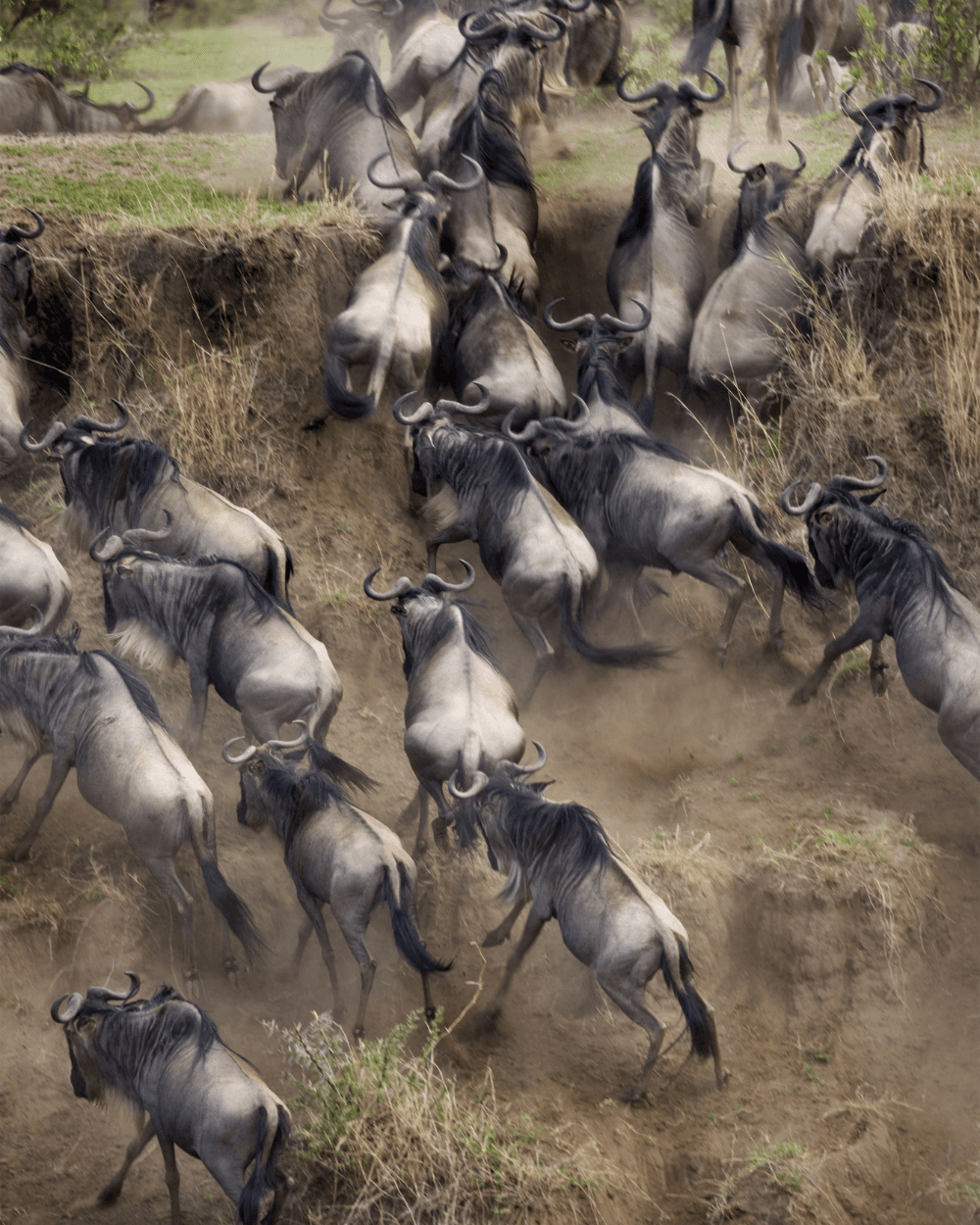
This is often considered the pinnacle of the Great Migration – the dramatic crossings of the Mara River. From mid-July through August, the herds are concentrated in the northern Serengeti (Tanzania) and then enter the Masai Mara National Reserve (Kenya), crossing the mighty Mara River multiple times. This period is synonymous with iconic images of wildebeest plunging into crocodile-infested waters, facing swift currents and lurking predators on both banks. Our private safaris during this time are meticulously planned, often involving early starts and patience, as we position ourselves for the best possible viewing of these breathtaking events. Due to high demand, this is peak season with premium pricing, and availability for kosher-friendly accommodations and mashgiach support is limited, so booking 12-18 months in advance is essential.
- Where to Stay: Mobile camps in northern Serengeti (Kogatende area); lodges/camps in the Mara Triangle or deeper Masai Mara in Kenya.
- What to Expect: The most dramatic and iconic Mara River crossings, intense predator action.
- Approximate Cost: High season (premium rates).
- Busyness: Extremely busy; advance booking is critical.
September – October: Grazing in the Masai Mara, Kenya
After navigating the perils of the Mara River, the vast herds spend September and October grazing on the lush, emerald plains of Kenya's Masai Mara. The landscape here is stunning, and the concentration of wildebeest, zebra, and gazelle is astounding. While the primary river crossings may have subsided, smaller movements across tributaries and back and forth over the Mara River can still occur as the herds spread out. This is an excellent time for general game viewing, as the predators of the Mara are well-fed and often visible. Our guests enjoy the rich wildlife diversity of Kenya, coupled with our fully mehadrin catering and complete Shabbat observance. It remains a high season, reflecting the popularity and excellent wildlife opportunities.
- Where to Stay: Camps and lodges throughout the Masai Mara National Reserve, Kenya.
- What to Expect: Herds grazing across the Mara, excellent predator sightings, some smaller river crossings.
- Approximate Cost: High season (premium rates).
- Busyness: Still very busy, but the vastness of the Mara allows for spreading out.
November – December: The Return South & Short Rains
As the short rains begin to fall again in the southern Serengeti, the wildebeest instinctively turn south, starting their long journey back towards the calving grounds. November and December see the herds moving through the eastern Serengeti, often fragmented into smaller groups, but still a magnificent sight. This period brings fresh growth to the plains, and the landscape is vibrant. It's a quieter time for tourism, offering a more tranquil safari experience with wonderful game viewing opportunities as the animals follow the regenerating grasses. Our flexible itineraries ensure we position you where the herds are moving, providing a fantastic end-of-year safari option before the cycle begins anew.
- Where to Stay: Mobile camps in the eastern Serengeti; central Serengeti lodges.
- What to Expect: Herds migrating south, short rains, lush new growth, excellent general game viewing.
- Approximate Cost: Mid-range.
- Busyness: Quieter than peak crossing season, good for those seeking solitude.
Our Approach to Planning Your Kosher Migration Safari
At The Kosher Safari, we specialize in crafting private, flexible itineraries that truly follow the Great Migration. We understand that adhering to halachic principles is paramount for our guests. Therefore, every safari includes:
- Mehadrin Catering: Fully prepared glatt kosher meals, meticulously overseen by our dedicated mashgiach, ensuring strict adherence to kashrut standards throughout your journey, even in the heart of the bush.
- Shabbat and Holiday Support: We arrange accommodations and itineraries that allow for full Shabbat and holiday observance, including walking distances to shuls if available, or creating a meaningful davening space within your camp.
- Expert Guides: Our seasoned guides have an intimate knowledge of the Serengeti-Mara ecosystem and the migration patterns, ensuring we position you for the best possible wildlife encounters.
- Private Safaris: All our safaris are private, offering the flexibility to spend as much time as you wish at a sighting, move at your own pace, and tailor the experience to your family's needs.
- Strategic Camp Selection: We partner with luxury camps and lodges that allow us to provide full kosher service, often utilizing mobile camps during peak migration periods to stay as close to the herds as possible.