Photography Safari
Dedicated photography vehicles, expert guides, and Africa's most photogenic wildlife.
Crafting Extraordinary Images: What Makes Our Photography Safaris Different?
At The Kosher Safari, we understand that for dedicated photographers, a safari is about much more than simply seeing wildlife; it's about capturing the soul of Africa through your lens. Our Photography Safaris are meticulously designed to provide you with every advantage to create truly exceptional images. We don't just find animals; we create opportunities for you to immortalise them.
One of the most significant differences you'll experience is our fleet of dedicated photography vehicles. These are not standard game drive vehicles. They are specifically adapted with extra space for comfort and gear, often featuring removable doors or sides to give you unobstructed shooting angles. Crucially, they are equipped with professional beanbag supports to steady your longest lenses, ensuring sharpness even in challenging light. We guarantee that your vehicle will be filled only with fellow photographers, meaning no jostling for position or unexpected camera flashes from non-photographers taking up valuable space.
Our expert guides are not only masters at tracking and identifying wildlife, but they possess a deep understanding of light and composition. They know how to position the vehicle for the perfect angle, considering the sun's position, background elements, and the animal's behaviour. They anticipate action and understand the nuances that elevate a good shot to a great one. This partnership between guide and photographer is pivotal.
Flexibility is paramount on a photography safari. While typical game drives adhere to a schedule, we prioritise the perfect shot. This means flexible timing: if a leopard is hunting or a lion pride is interacting dramatically, we can stay at that sighting for two hours instead of twenty minutes. We often adjust meal times to ensure you're out during the magical "golden hour" – sunrise and sunset – when the light is soft, warm, and most flattering for wildlife photography, even if it means a slightly later breakfast or dinner. Our commitment to mehadrin catering and mashgiach supervision ensures that these schedule adjustments never compromise the quality or halachic integrity of your meals; our culinary team is adept at accommodating these shifts.
Furthermore, we incorporate access to special photography hides where available. These ground-level blinds, often situated at waterholes or feeding sites, allow for incredible eye-level perspectives with birds and mammals. Imagine being at eye-level with an elephant drinking, or a vibrant kingfisher diving – these vantage points dramatically enhance your photographic storytelling.
Iconic Destinations for Your Lens: Where to Capture Africa's Best
The vastness of Africa offers an incredible diversity of landscapes and wildlife, each presenting its own photographic opportunities. We've curated a selection of destinations renowned for their photographic potential, ensuring your portfolio is as rich and varied as the continent itself.
- Masai Mara, Kenya: Synonymous with the serengeti">Great Migration, the Mara offers unparalleled drama with wildebeest and zebra river crossings, especially between July and October. Beyond the migration, it's a stronghold for big cats – lions, leopards, and cheetahs – often seen in action. The open plains and dramatic East African light provide a stunning backdrop for dynamic wildlife photography.
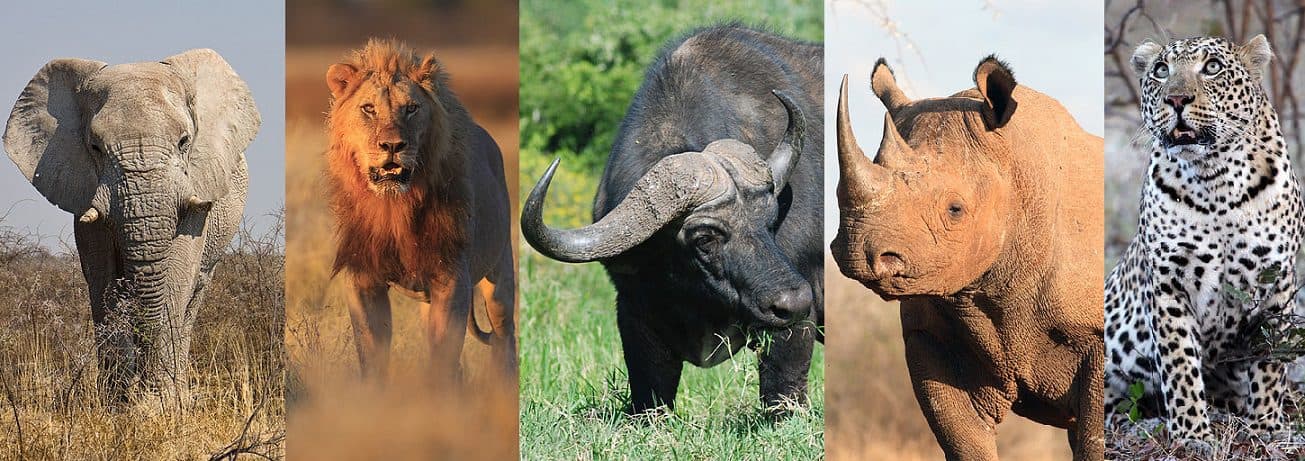
- Sabi Sands Game Reserve, South Africa: Widely considered the best destination for leopard photography in Africa. The leopards here are remarkably habituated and relaxed, allowing for close-range encounters and intimate portraits. Sabi Sands also offers exceptional opportunities for lion, elephant, rhino, and buffalo photography within a pristine Lowveld environment.
- Kgalagadi Transfrontier Park, Botswana/South Africa: A striking semi-desert landscape that offers a stark contrast to the lush savannas. The Kgalagadi is famous for its magnificent black-maned lions, often seen around the sparse waterholes, as well as an incredible array of raptors and unique desert-adapted species. The clear air and dramatic dunes create truly atmospheric images.
- Zimanga Private Game Reserve, South Africa: A pioneer in photographic safaris, Zimanga offers a truly innovative approach with its purpose-built underground hides. These allow for incredible eye-level shots of birds and mammals at waterholes, often with remote-controlled camera setups. It's an unparalleled experience for intimate wildlife portraiture and nocturnal photography.
- Mana Pools National Park, Zimbabwe: A UNESCO World Heritage site known for its unique ecosystem along the Zambezi River. Mana Pools is famous for its bull elephants that stand on their hind legs to reach acacia pods. It's also one of the few places where we can conduct safe walking safaris for photography, offering ground-level perspectives on wildlife encounters, particularly with elephants and wild dogs.
Essential Gear for Capturing Africa's Beauty
While the best camera is always the one you have with you, having the right equipment can significantly enhance your safari photography experience. We recommend planning your gear carefully:
- Cameras: The industry standard has largely shifted to mirrorless systems. Cameras like the Sony a7 series (a7R IV/V, a9 II, a1), Canon R5/R6/R3, and Nikon Z8/Z9 offer exceptional autofocus, high frame rates, and impressive low-light performance, which are crucial for safari. Bring at least two camera bodies if possible, to avoid changing lenses in dusty conditions and to have a backup.
- Key Lenses:
- 100-400mm or 150-600mm zoom: This is your workhorse lens. It offers incredible versatility, allowing you to capture everything from distant animals to closer portraits.
- 600mm or 800mm prime (or equivalent zoom): If birds or very shy subjects are a priority, a longer prime lens or a large aperture zoom (e.g., 200-600mm f/6.3) will provide the reach and light gathering capabilities you need.
- 24-70mm or 70-200mm zoom: Essential for capturing wider landscape shots, camp life, and environmental portraits of animals within their habitat.
- Teleconverters: A 1.4x or 2x teleconverter can extend the reach of your longer lenses, particularly useful for birds or distant subjects, though remember they reduce your maximum aperture.
- Memory Cards: Invest in high-speed, high-capacity cards. We recommend at least 512GB of total memory per trip, as you'll be shooting thousands of images in burst mode. Bring multiple cards and back them up regularly.
- Batteries: Carry at least 3-4 spare batteries per camera body, as charging opportunities can be limited and cold mornings drain power faster.
- Cleaning Kit: Dust is an inevitable part of safari. A blower, lens cloth, and sensor cleaning kit are essential.
Mastering Safari Photography Techniques
Beyond the gear, understanding a few key techniques will dramatically improve your results:
- Shutter Speed is King for Action: For moving subjects, aim for a shutter speed of 1/1000th of a second or faster to freeze motion. For birds in flight or animals running, 1/2000th or even 1/4000th might be necessary. In lower light, you may need to increase your ISO, but a sharp image is always preferred over a blurry one.
- Aperture for Subject Isolation: To make your subject stand out from a busy background, use a wider aperture like f/5.6 or f/4. This creates a beautiful shallow depth of field, blurring distracting elements and drawing the viewer's eye to the animal. For landscapes, you'll want a narrower aperture like f/8 or f/11 for greater depth of field.
- Anticipate and Pre-Focus: When you know action is coming, such as a wildebeest crossing a river or an animal approaching a waterhole, pre-focus on the anticipated spot. This saves precious seconds when the moment arrives. Use continuous autofocus modes (AI Servo on Canon, AF-C on Nikon/Sony) to track moving subjects effectively.
- Burst Mode for Dynamic Moments: Set your camera to its highest frame rate (burst mode) for action sequences like wing flaps, splashes, or hunting attempts. This significantly increases your chances of capturing that perfect peak-action shot. You can always delete the extra frames later.
- Composition: Pay attention to the rule of thirds, leading lines, and framing. Don't always centre your subject; experiment with placing it off-centre for a more dynamic composition.
- Light: Always be aware of the light. Golden hour (shortly after sunrise and before sunset) offers the most flattering, warm light. Midday sun is harsh and often creates unflattering shadows, though it can be used for dramatic black and white images.
From Capture to
Related Reading