Kosher Safari in Tanzania
Tanzania is safari on the grandest scale: the endless plains of the Serengeti, the wildlife-filled bowl of the Ngorongoro Crater, the elephants and baobabs of Tarangire, and the beaches of Zanzibar to finish. We plan private, glatt-kosher Tanzania safaris with a mashgiach and chef, private vehicles and guides, and Shabbat in camp planned from the first draft of the route.
Who Tanzania suits
Tanzania is ideal for first-timers who want the classic East African safari, for families with children old enough for longer drives, and for anyone whose dream is the Great Migration. Distances are big, so most routes use short light-aircraft flights between the parks.
The parks
- The Serengeti. The heart of the migration, with big cats all year. Read our Serengeti destination page and Serengeti family safari.
- Ngorongoro Crater. A collapsed volcano with one of the densest concentrations of game in Africa, often visited on the way to the Serengeti. See Ngorongoro and Serengeti and Ngorongoro.
- Tarangire. Big elephant herds and baobabs, best in the dry season. See Tarangire safari.
- Zanzibar. White beaches and Stone Town after the bush. See Zanzibar kosher holiday.
Month by month
- January–February: calving season in the southern Serengeti, with lots of predator action. See Serengeti in January and February.
- April–May: the long rains. Some camps close, so we usually suggest southern Africa at this time.
- June: the herds gather in the western corridor. See Serengeti in June.
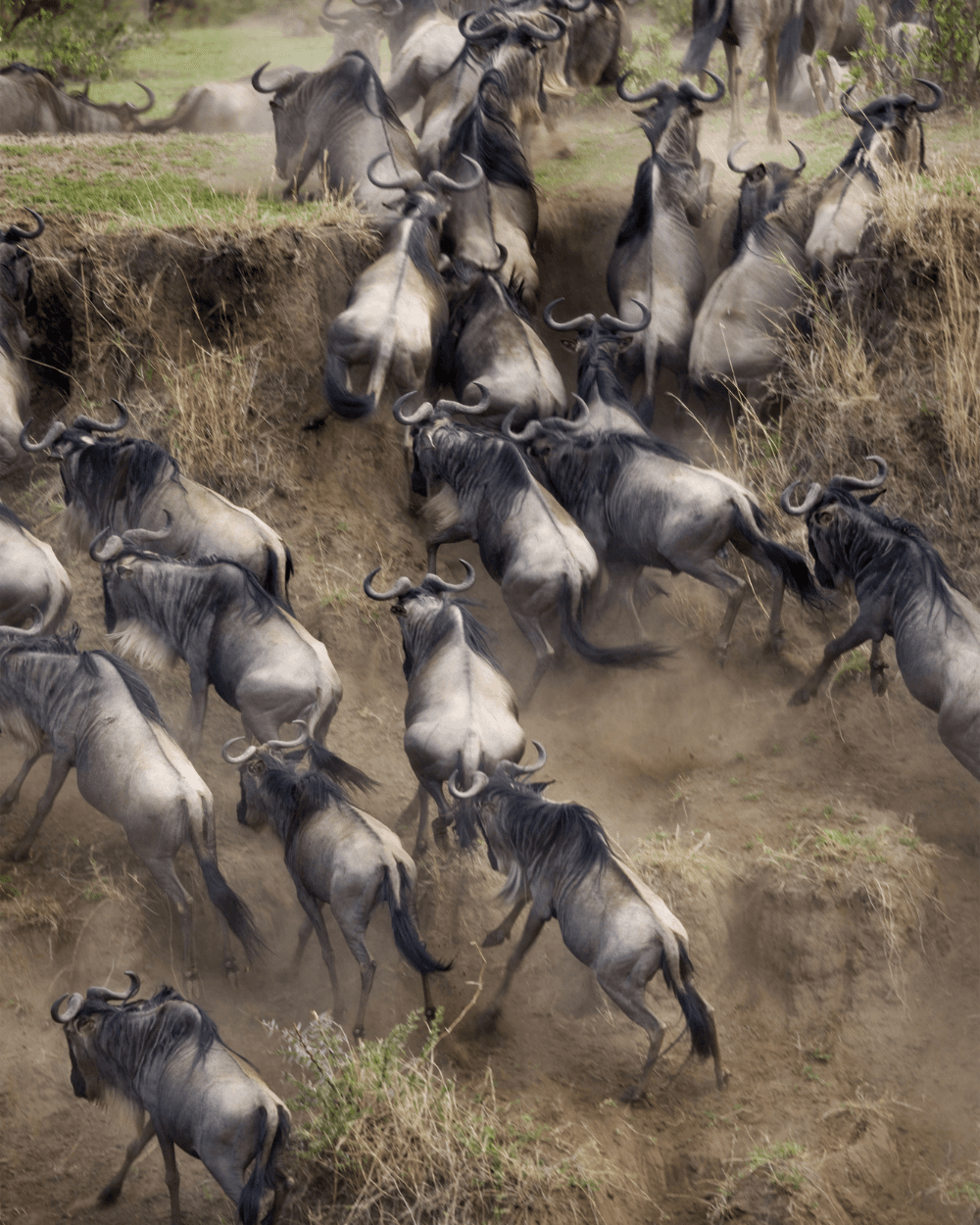
- July–October: river crossings in the northern Serengeti, the peak season. See July, August and September, and our summer 2027 page.
- November–December: the short rains, and the herds heading south again. See Serengeti in December.
Kosher logistics in Tanzania
Kosher supplies are planned ahead and brought in for your group, and your mashgiach and chef travel with you from Arusha, so every meal in camp is glatt kosher. We choose camps that work for Shabbat: a full rest day in one place, no driving, and meals prepared before Shabbat comes in. Near the equator Shabbat starts at around the same time all year, which makes planning easy.
A sample 10-day route
1. Arrive Kilimanjaro, rest in Arusha 2. Tarangire for elephants and baobabs 3. Ngorongoro Crater 4. Fly to the Serengeti, with Shabbat in camp 5. Two more days following the herds 6. Fly to Zanzibar for two or three nights, or home
Every route is built around your dates, the season and who's travelling. Compare with Kenya or read Tanzania vs Kenya and Serengeti vs Masai Mara.
What it costs
As a guide, our Classic safaris (5–7 nights) run about $5,000–$8,000 per person, Premium (8–12 nights) about $8,000–$14,000, and longer multi-country trips $14,000+ per person, all-inclusive except international flights. June to October is East Africa's peak season, with rates 20–40% higher than the green season. See full pricing.
Frequently asked questions
When is the best time for a Tanzania safari?
June to October for the dry season and the northern Serengeti river crossings, and January to February for the calving season in the south. April and May are the long rains.
Is Tanzania good for families?
Yes, for children who are happy with longer drives. Short flights between parks keep travel time down, and private vehicles let you stop whenever you need.
How do you keep kosher in the Serengeti?
Your mashgiach and chef travel with you, kosher supplies are brought in for your group, and meals are prepared in a kosher kitchen set up at camp.
Can we add Zanzibar?
Yes. Two or three nights in Zanzibar is a popular way to end a Tanzania safari.